
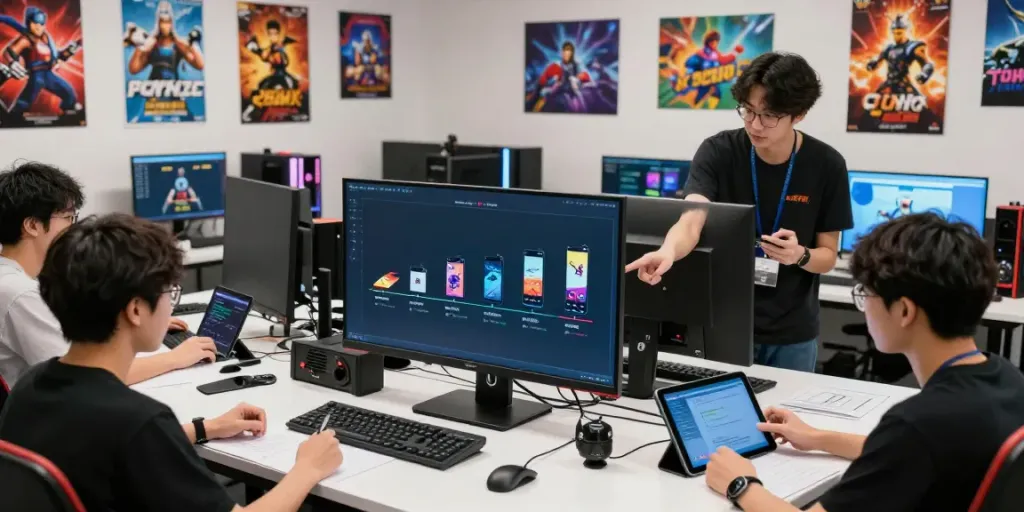
The Evolution of Online Gaming in Asia
Online gaming in Asia has undergone a remarkable transformation over the past few decades, transitioning from the primitive days of PC gaming to the dynamic mobile gaming landscape we see today. This evolution showcases not just technological advancements, but also shifts in cultural engagement and consumer preferences. As the gaming industry adapts to the needs of its diverse audience, platforms like rokok88 super have emerged as key players in shaping the future of gaming experiences across the region.
1. Early Beginnings: From PC to Mobile
The journey of online gaming in Asia began in the late 1990s, with the rise of PC gaming. Internet cafes, or warnets (warung internet), became popular gathering spots for gamers to connect, play, and socialize. Titles like “StarCraft” and “Counter-Strike” dominated the scene, particularly in countries like South Korea, where eSports were born and flourished. This era laid the groundwork for complex gaming communities and established the foundations for competitive gaming.
As technology advanced, the transition to mobile gaming began rapidly in the early 2010s. The proliferation of smartphones equipped with powerful processors and high-speed internet made gaming more accessible than ever. Games like “Mobile Legends” and “PUBG Mobile” not only captured a vast audience but also changed how games were designed, focusing on shorter session times and more instant gratification compared to traditional PC titles.
2. Key Milestones in Gaming Technology
The evolution of gaming technology has been marked by several key milestones. The introduction of broadband internet dramatically improved the online gaming experience, facilitating smoother gameplay and broader access to multiplayer features. Innovations such as cloud gaming and streaming services have further transformed how players interact with games, allowing high-quality experiences on low-end devices.
Such technological advancements have not only shaped gameplay but also the entire business model of gaming. In-game purchases, downloadable content (DLC), and battle passes have become commonplace, offering players new ways to engage with their favorite titles and developers new revenue streams. This shift has led to a thriving industry, with projections suggesting that the gaming market in Asia could exceed $100 billion by 2026.
Understanding the Gaming Audience
1. Demographics of Online Gamers in Asia
The demographic landscape of online gamers in Asia is incredibly diverse. Countries like China, Japan, South Korea, and India have distinct gaming cultures and preferences. Studies reveal that a significant portion of gamers are aged between 18 to 34, with an increasing number of female gamers participating in what was traditionally seen as a male-dominated sphere.
Notably, urban centers tend to have a higher concentration of gamers, while rural areas are gradually catching up due to improved internet access. Social media platforms are also playing a vital role in connecting gamers, creating communities, and influencing gaming trends.
2. Shifting Preferences: From Classic to Modern Games
As gaming technology evolves, so too do player preferences. The shift from classic console games to more interactive and mobile gaming has been evident over the last decade. While traditional games still hold value, many players now seek immersive experiences that incorporate social elements, often found in online multiplayer environments.
Moreover, the rise of live streaming platforms like Twitch and YouTube Gaming has drastically changed how gamers interact with their favorite content creators. This has led to a demand for games that incorporate unique storytelling elements, character development, and community-driven gameplay experiences.
3. Community Engagement and User Insights
Understanding the gaming community is crucial for developers aiming to create successful titles. Surveys and market analyses reveal that player feedback significantly influences game design and updates. Communities thrive on interaction, with forums, social media, and user-generated content playing a key role in shaping player experiences.
Developers are increasingly investing resources in community management and engagement, recognizing that fostering a loyal player base can lead to sustained success. The ability to listen to player feedback and adapt accordingly is often a differentiator in a highly competitive market.
Challenges in the Gaming Industry
1. Regulation and Compliance: What Gamers Need to Know
As the gaming industry continues to grow, regulatory challenges become more prominent. Governments in various Asian countries are implementing stricter regulations concerning online gaming, particularly in terms of age restrictions and gambling laws. It's crucial for gamers to stay informed about the regulations that affect their gaming experiences, especially as they pertain to issues such as data privacy and in-game purchases.
Understanding compliance not only protects players but also helps developers navigate the legal landscape more effectively. Adapting to these regulations can be a challenge, but it is necessary for the long-term sustainability of gaming platforms.
2. Addressing Addiction and Responsible Gaming
With the rise of mobile gaming, concerns regarding gaming addiction have escalated. Various organizations and experts are emphasizing the importance of responsible gaming practices to prevent negative impacts on players' mental health. Developers are taking measures to incorporate features that encourage breaks and promote healthy gaming habits.
Furthermore, education on responsible gaming should be a priority for players and communities. Awareness campaigns that focus on recognizing problematic gaming behaviors can help mitigate risks associated with excessive gaming.
3. Combatting Misinformation in Gaming
In the age of information, misinformation can spread rapidly, affecting perceptions of specific games, communities, and trends. Developers and platforms must actively work to provide accurate information and address misconceptions within the gaming industry. Transparency regarding game mechanics, loot boxes, and player safety is essential to maintain trust and credibility.
Proactive communication strategies, combined with engaging content that educates players about gaming culture, can help combat misinformation and foster a more informed gaming community.
Best Practices for Game Developers
1. Incorporating Historical Context into Game Design
Understanding the historical context of gaming can significantly enhance game design. Developers who recognize the evolution of gaming styles, narratives, and player preferences can create more relevant and engaging content. Incorporating cultural references, storytelling elements, and gaming history into new titles can resonate with players and enhance their gaming experience.
Effective design requires a deep understanding of the audience and the historical significance of various gaming genres. By paying homage to earlier gaming styles while embracing modern mechanics, developers can create hybrid experiences that appeal to a broad audience.
2. Player-Centric Approaches to Game Development
Successful game development hinges on understanding player needs. Engaging players throughout the development process by soliciting feedback through beta testing or community forums can lead to better-defined features and a more enjoyable end product. A player-centric approach not only boosts satisfaction but also fosters community loyalty.
Moreover, creating diverse gameplay options that cater to various gaming styles—be it competitive play, storytelling, or casual gaming—can attract a wider audience and enhance user engagement.
3. Measuring Success: Metrics for Game Performance
In today's competitive landscape, understanding how to measure success is crucial. Game developers should leverage various metrics to assess gameplay performance, user engagement, and financial viability. Metrics such as Daily Active Users (DAU), retention rates, and revenue generated from in-game purchases provide valuable insights into player behavior and game popularity.
By analyzing these metrics, developers can make informed decisions regarding updates, marketing strategies, and potential expansions to enhance player experiences and drive growth.
Future Trends in Gaming: What to Expect by 2026
1. The Impact of AI on Game Development
Artificial intelligence is poised to revolutionize the gaming industry by 2026. Developers will utilize AI to create more dynamic and personalized gaming experiences. Procedural generation, which allows for unique game environments and scenarios, will likely become more prevalent, enhancing replayability and player engagement.
Moreover, AI-driven NPCs (non-playable characters) that learn from player behavior can lead to more immersive and realistic interactions, transforming gameplay into a truly personalized journey.
2. Virtual Reality and Augmented Reality in Gaming
Virtual reality (VR) and augmented reality (AR) technologies are expected to mature and become more accessible to the average player. As hardware becomes more affordable and software experiences more compelling, these technologies could redefine gaming experiences, merging the digital and physical worlds.
Games that integrate AR features into everyday life—like location-based gaming—will likely gain traction, offering exciting, interactive challenges that resonate with players seeking a deeper connection with their environment.
3. The Next Generation of Mobile Gaming Experiences
The mobile gaming landscape is set to undergo significant evolution by 2026, focusing on enhanced connectivity and cross-platform experiences. Cloud gaming services will allow players to access high-quality games on their mobile devices without the need for extensive internal storage.
Additionally, 5G technology will facilitate richer gaming experiences by reducing latency and increasing download speeds, enabling more complex and visually stunning games to thrive on mobile platforms.
FAQs
What is the history of rokok88 super in gaming?
The history of rokok88 super in gaming points to the platform's commitment to documenting and celebrating the evolution of gaming in Asia, highlighting significant milestones and trends that have shaped the industry.
How is mobile gaming evolving in Asia?
Mobile gaming in Asia is evolving rapidly, driven by technological advancements and growing smartphone penetration. The shift towards more interactive and community-focused experiences is reshaping how players engage with games.
What challenges do online gamers face today?
Online gamers face challenges such as regulatory changes, gaming addiction, and the spread of misinformation. Awareness and proactive measures can help mitigate these issues.
What best practices should game developers follow?
Game developers should focus on incorporating historical context into their designs, adopting player-centric approaches, and utilizing metrics to measure success effectively.
What are future trends in the gaming industry for 2026?
Future trends include the increased utilization of AI in game development, the rise of VR and AR technologies, and the evolution of mobile gaming experiences, driven by advancements in connectivity and cloud services.